


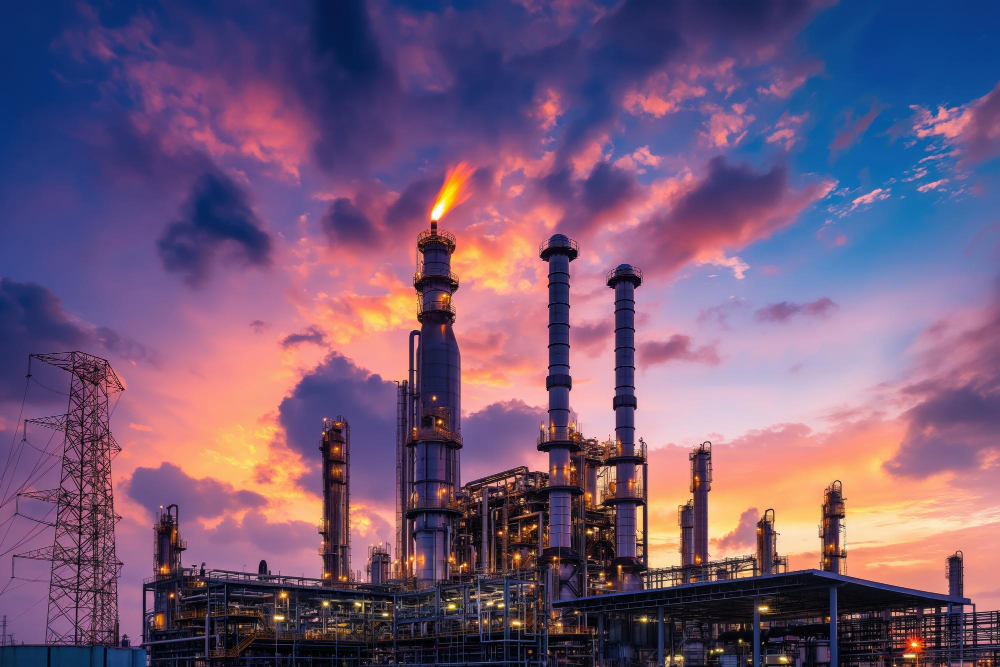
Industrial facilities rely heavily on energy to maintain production processes, regulate indoor environments, and power mechanical equipment. A large portion of this energy is lost as heat generated by machinery, compressed air systems, and ventilation processes. In many facilities this excess heat simply escapes into the atmosphere through exhaust systems, cooling systems, or ventilation ducts. This represents a major opportunity for improving efficiency.
A heat recovery system captures this wasted thermal energy and reuses it within the facility. Instead of allowing heat to escape, industries can redirect it to support heating processes, water heating, or climate control. This approach improves overall energy efficiency while helping facilities reduce operational costs.
Across Australia, industries are paying greater attention to energy management as electricity and fuel costs continue to rise. Environmental regulations and sustainability initiatives also encourage facilities to reduce waste energy. As a result, many industrial operations are exploring ways to implement a heat recovery system australia solution to make better use of the energy already produced during daily operations.
Understanding the Role of Heat Recovery in Industrial Operations
Industrial processes generate significant amounts of excess heat. Equipment such as compressors, furnaces, dryers, boilers, and ventilation systems continuously release thermal energy during operation. Without a recovery system, most of this energy is lost.
A heat recovery system captures this thermal energy and redirects it to other parts of the facility where heat is required. This allows industries to reuse existing energy rather than generating new heat using electricity or fuel.
Common industrial heat sources include:
- Air compressors and mechanical equipment
- Industrial ovens and furnaces
- Exhaust air from ventilation systems
- Condensers and cooling systems
- Drying equipment used in production processes
By capturing and redistributing this thermal energy, industries can significantly reduce energy consumption. Many manufacturing plants in Australia are integrating a heat recovery system australia solution to recover heat from exhaust systems and reuse it for facility heating and industrial processes.
How a Heat Recovery System Works
A heat recovery system transfers thermal energy from one air stream or process to another using heat exchangers. The system captures heat from exhaust air or hot fluids and redirects it to incoming air or water systems without mixing the two streams.
Heat exchangers are the core component of these systems. They allow heat transfer between two mediums while keeping them separated. This allows facilities to recover heat safely and efficiently.
In industrial environments, recovered heat can be used for several applications:
- Preheating fresh air entering the ventilation system
- Heating water for cleaning or processing
- Maintaining indoor temperature in large production spaces
- Supporting drying processes in manufacturing
- Reducing heating load on HVAC systems
By reusing heat that would otherwise be lost, facilities can reduce the overall demand for additional energy sources. Over time the reduction in energy usage can offset the heat recovery system cost and provide measurable operational savings.
Why Heat Recovery Systems Improve Industrial Energy Efficiency
Industrial operations often run continuously and require significant energy input to maintain production. Heating systems, ventilation systems, and equipment all consume energy that contributes to operating costs.
A heat recovery system improves efficiency by reducing the amount of new energy required to support these operations. Instead of generating fresh heat through fuel or electricity, facilities can reuse the heat already produced by their equipment.
Several factors are driving industries to adopt heat recovery technology:
- Increasing industrial energy costs
- Pressure to reduce carbon emissions
- Growing focus on operational efficiency
- Improved awareness of energy waste in manufacturing
When facilities implement a heat recovery system australia solution, they often experience a noticeable reduction in energy consumption. This directly improves operational efficiency while supporting long term sustainability goals.
Heat Recovery Ventilation Systems in Industrial Facilities
Large industrial buildings require continuous ventilation to maintain air quality and safe working conditions. Ventilation systems remove contaminants, regulate humidity, and control temperature across production areas.
A heat recovery ventilation system australia solution captures heat from outgoing exhaust air and transfers it to incoming fresh air. This process reduces the energy required to heat or cool the incoming air.
The system improves efficiency in several ways:
- Reduces heating demand during colder months
- Maintains consistent indoor temperatures
- Improves indoor air quality
- Reduces energy consumption in HVAC systems
Many facilities also use an energy recovery ventilation system that transfers both heat and moisture between air streams. This technology helps regulate humidity while improving energy efficiency within ventilation systems.
Industrial buildings that implement heat recovery ventilation technologies often see improved environmental control and reduced energy waste. Over time the savings achieved through lower energy consumption can significantly offset the heat recovery ventilation system cost australia.
Key Industrial Applications of Heat Recovery Systems
Heat recovery technology supports a wide range of industrial processes. Facilities that operate heavy machinery or continuous production systems often generate substantial amounts of waste heat that can be reused within the facility.
Common industrial applications include:
- Process heating for manufacturing operations
- Hot water production for cleaning and production lines
- Climate control for large production facilities
- Preheating combustion air for boilers or furnaces
- Supporting drying processes in food and chemical industries
A well designed heat recovery system allows facilities to capture energy that would otherwise be lost and reuse it across multiple applications. This significantly improves overall facility energy performance.
Industries such as manufacturing, pharmaceuticals, food processing, automotive production, and chemical processing often rely on heat recovery systems to improve efficiency and reduce operational costs.
Factors That Influence Heat Recovery System Performance
The performance of a heat recovery system depends on several technical and operational factors. Proper system design ensures that the maximum amount of waste heat can be captured and reused.
Important factors include:
- Temperature difference between exhaust air and incoming air
- Airflow rate within the ventilation system
- Efficiency of the heat exchanger used in the system
- Facility layout and airflow distribution
- Integration with existing mechanical systems
Facilities that conduct detailed energy assessments can identify the most suitable locations for installing heat recovery equipment. Engineers often analyze airflow patterns, equipment heat output, and production processes before implementing a system.
When installed correctly, a heat recovery system australia solution can significantly improve energy efficiency without affecting production operations.
Understanding Heat Recovery System Costs
Industrial decision makers often evaluate the heat recovery system cost before implementing the technology. Although installation requires an upfront investment, the long term benefits usually justify the expense.
Several factors influence the overall cost of installing a heat recovery system.
These include:
- System size and heat recovery capacity
- Type of heat exchanger used
- Installation complexity and ducting requirements
- Integration with existing ventilation or HVAC systems
- Monitoring and control systems
Facilities also evaluate the heat recovery ventilation system cost australia when planning ventilation upgrades. Over time, reduced energy consumption often generates savings that exceed the initial investment.
Industries that operate equipment continuously or generate large amounts of heat usually achieve the fastest return on investment.
Environmental Benefits of Heat Recovery Systems
Energy efficiency plays an important role in reducing industrial environmental impact. Facilities that lower energy consumption contribute to reduced greenhouse gas emissions and improved sustainability performance.
A heat recovery system helps industries reduce their environmental footprint by capturing and reusing energy that would otherwise be lost. This reduces the amount of electricity or fuel required to support operations.
Environmental advantages include:
- Reduced fuel consumption in industrial processes
- Lower greenhouse gas emissions
- Improved sustainability performance
- Reduced energy waste in manufacturing facilities
- Better compliance with environmental standards
Many industries implementing a heat recovery system australia solution view it as part of a broader energy management strategy aimed at improving sustainability while maintaining productivity.
The Future of Heat Recovery in Industrial Facilities
Energy efficiency will continue to play an important role in industrial operations as businesses focus on reducing costs and improving sustainability performance. Heat recovery technology offers a practical method for capturing and reusing thermal energy generated during industrial processes.
Advances in heat exchanger design, monitoring systems, and ventilation technology are improving the efficiency of modern heat recovery systems. Facilities can now recover larger amounts of heat while maintaining stable operational performance.
As energy costs continue to rise and sustainability targets become more important, the adoption of heat recovery systems across Australian industries is expected to grow.
Facilities that integrate heat recovery into their energy management strategies can improve efficiency, reduce operational costs, and make better use of existing energy resources.
FAQs
What is a heat recovery system and how does it work?
A heat recovery system captures waste heat generated by industrial equipment or ventilation systems and transfers that energy to another process where heat is required. The system uses heat exchangers to transfer thermal energy between air streams or fluids without mixing them. This allows facilities to reuse energy that would otherwise be lost.
How does a heat recovery ventilation system improve energy efficiency?
A heat recovery ventilation system captures heat from outgoing exhaust air and transfers it to incoming fresh air. This process reduces the amount of energy required to heat the incoming air, allowing facilities to maintain indoor air quality while reducing overall energy consumption.
How can oil injected air compressors benefit from a heat recovery system?
Oil injected air compressors generate significant amounts of heat during operation. A heat recovery system can capture this thermal energy from the compressor cooling process and reuse it within the facility. Recovered heat can support water heating, space heating, or industrial processes, improving overall energy efficiency.
Can oil free air compressors support heat recovery applications?
Oil Free Air Compressors also generate heat during compression. This heat can be captured and reused through a heat recovery system. Facilities using oil free compressors can redirect recovered heat for ventilation preheating, hot water generation, or facility heating, helping reduce overall energy consumption.
What factors influence heat recovery ventilation system cost australia?
The heat recovery ventilation system cost australia depends on system size, type of heat exchanger, installation complexity, and integration with existing ventilation systems. Facilities with large airflow volumes or complex ducting systems may require more advanced heat recovery equipment, which can influence the total project cost.